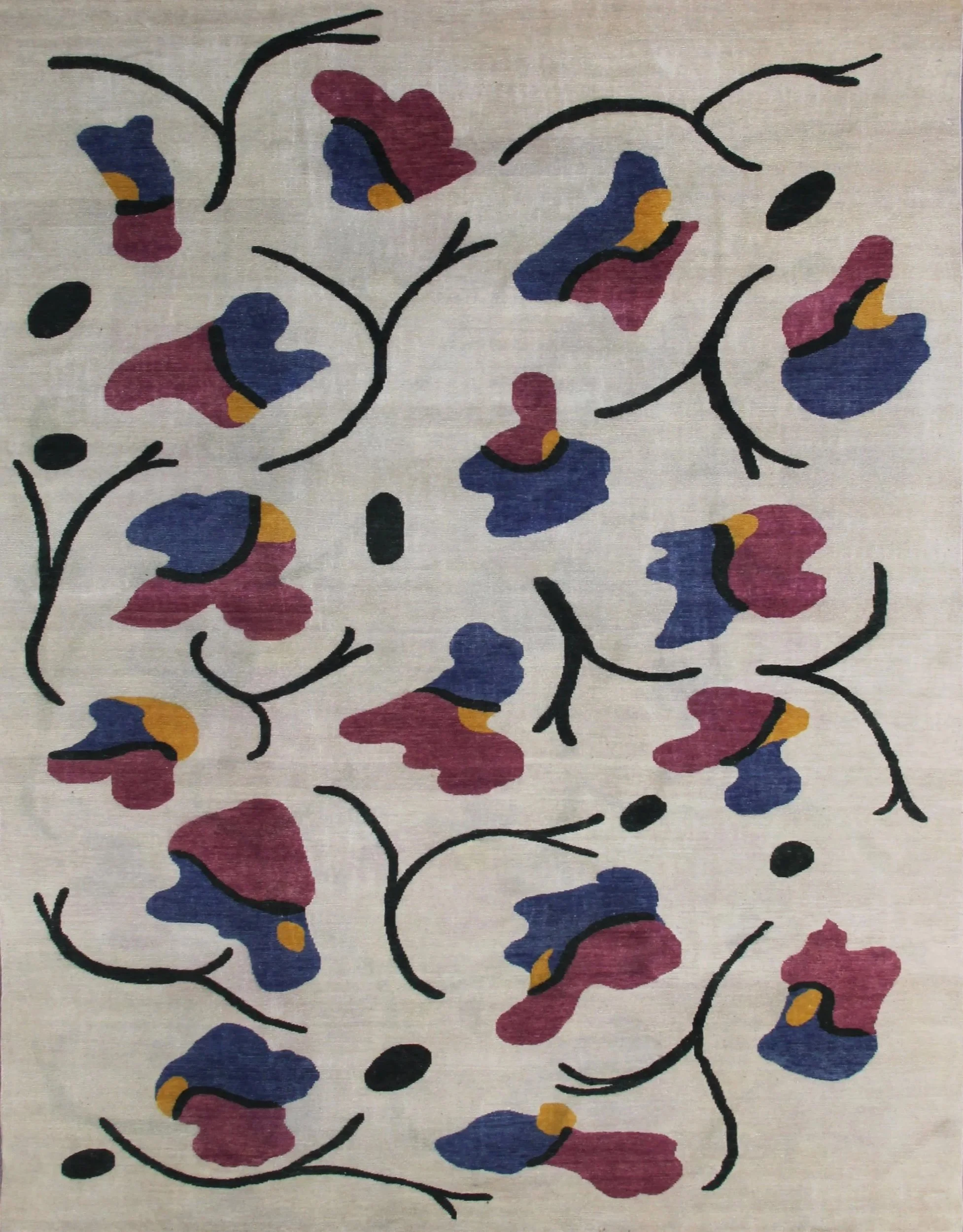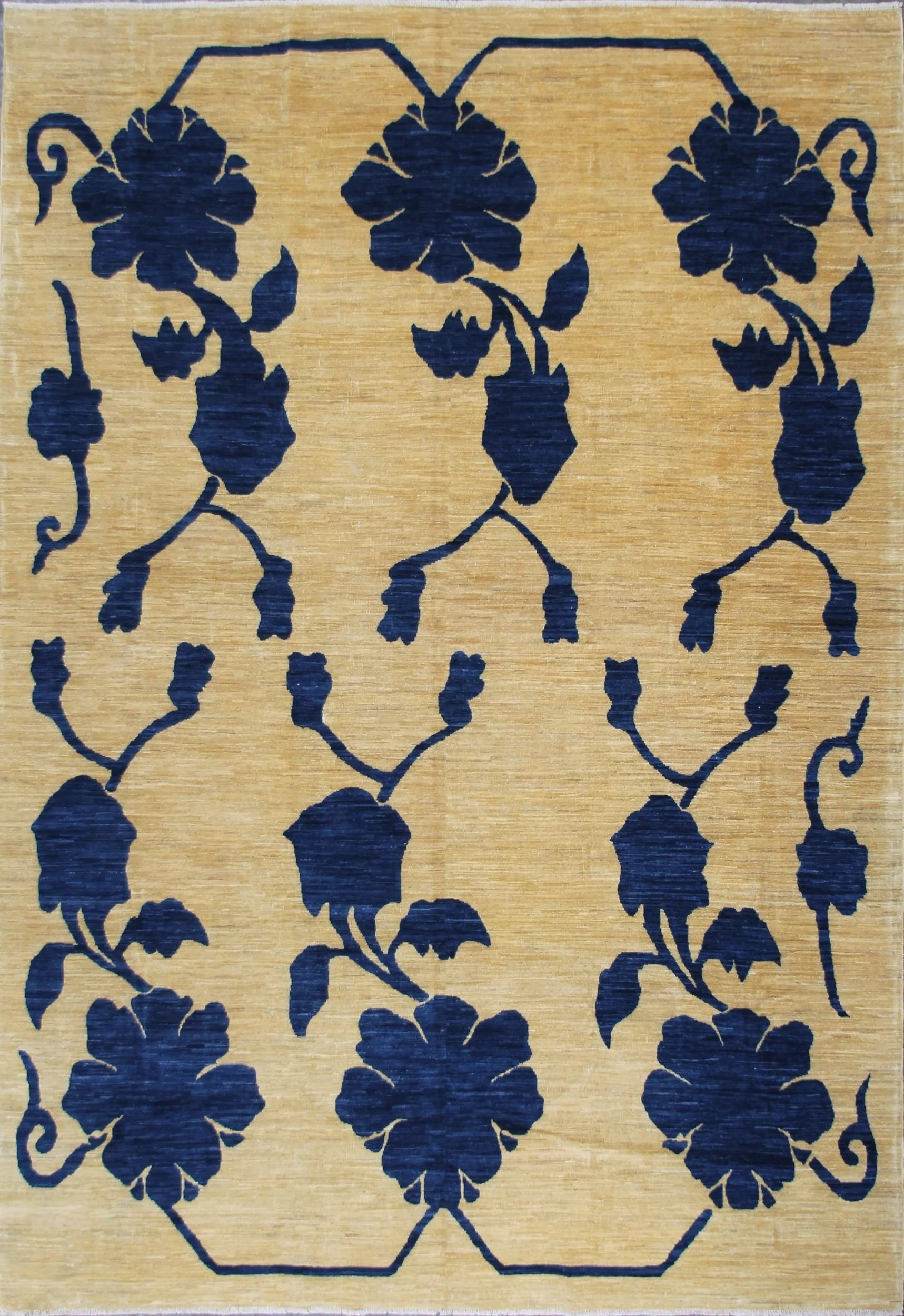
Lotto refers to a historic Anatolian carpet design first documented in 15th–17th century Turkish rugs, named after Italian Renaissance painter Lorenzo Lotto who depicted similar patterned carpets in his works. The design is characterized by an interlacing arabesque or lattice pattern that was popular in Anatolia and exported to Europe during the Ottoman period. This contemporary interpretation is hand-woven in Afghanistan using traditional hand-knotting techniques. It is crafted from wool, translating the classic Lotto pattern into your own production context.
Lotto refers to a historic Anatolian carpet design first documented in 15th–17th century Turkish rugs, named after Italian Renaissance painter Lorenzo Lotto who depicted similar patterned carpets in his works. The design is characterized by an interlacing arabesque or lattice pattern that was popular in Anatolia and exported to Europe during the Ottoman period. This contemporary interpretation is hand-woven in Afghanistan using traditional hand-knotting techniques. It is crafted from wool, translating the classic Lotto pattern into your own production context.